
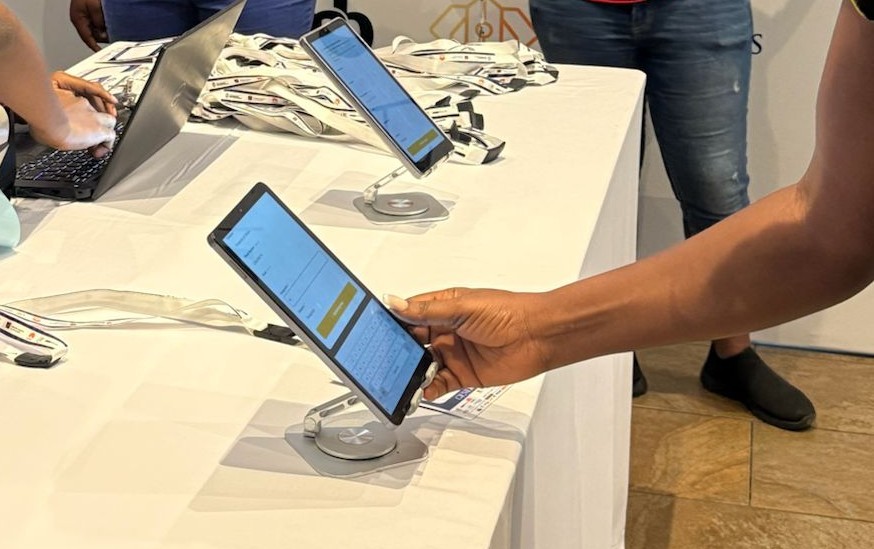
Real-time attendee data is helping event organizers in Ghana make smarter decisions before, during, and after their events. Event organizers spend months planning conferences, exhibitions, church conventions, business summits, festivals, and corporate gatherings. Yet when the event ends, many are left with one important question:
What actually happened? How many people attended? Which sessions attracted the most interest?
What time did most attendees arrive? How effective was the registration process?
Which sponsors received the most exposure? Without reliable event data, organizers are often forced to make assumptions when planning future events.
This is where real-time attendee data becomes a game-changer. Instead of waiting until after the event to analyze attendance figures, organizers can monitor registrations, check-ins, attendance patterns, and engagement levels as they happen. These insights help teams make better decisions during the event and improve future events based on actual attendee behavior.
For event organizers in Ghana, real-time attendee data is quickly becoming one of the most valuable tools for delivering successful, professional, and memorable events.
What Is Real-Time Attendee Data?
Real-time attendee data refers to information collected and updated instantly as attendees interact with your event.
This includes:
- Registration numbers
- Check-in activity
- Arrival times
- Session attendance
- Walk-in registrations
- Badge printing records
- Attendance trends throughout the day
- Event capacity utilization
With modern registration platforms like Ayalogbook, organizers can see attendance information live instead of waiting for manual reports after the event.
This allows organizers to respond immediately to changing situations and make data-driven decisions while the event is still taking place.
Why Traditional Attendance Tracking Falls Short
Many events in Ghana still rely on manual attendance tracking methods.
Examples include:
- Paper sign-in sheets
- Printed guest lists
- Handwritten badges
- Manual headcounts
- Spreadsheet-based registration systems
While these methods may seem simple, they create significant challenges.
Delayed Reporting
Organizers often spend days compiling attendance figures after an event.
By the time reports are ready, opportunities to improve attendee experiences have already passed.
Inaccurate Numbers
Manual counting introduces errors.
Duplicate entries, unreadable handwriting, and missed check-ins can result in unreliable attendance figures.
Poor Visibility During Events
Without live reporting, organizers may not know:
- How many attendees have arrived
- Whether registration desks are overloaded
- Which sessions are attracting the most people
- If venue capacity limits are being approached
Limited Planning Insights
When data collection is inconsistent, future event planning becomes guesswork.
Organizers cannot confidently determine what worked and what needs improvement.
How Real-Time Attendee Data Changes Event Management
Modern event technology provides organizers with visibility they simply did not have before.
Instant Visibility Into Attendance
Imagine hosting a conference in Accra with 1,000 registered attendees.
By 9:00 AM, you can instantly see:
- Number of attendees checked in
- Number still expected
- Walk-in registrations
- Peak arrival periods
This information helps teams make operational adjustments immediately.
Better Crowd Management
Large queues can damage attendee experiences. Real-time data helps organizers identify bottlenecks before they become serious problems. If attendee arrivals are increasing rapidly, additional registration desks can be opened quickly. This creates smoother entry experiences and reduces frustration.
Faster Decision-Making
Live attendance figures support better operational decisions throughout the event.
Organizers can determine:
- Whether more staff are needed
- Which areas require support
- How resources should be allocated
- Whether event schedules need adjustments
Improved Sponsor Reporting
Sponsors increasingly expect measurable results.
Real-time attendee data helps organizers provide accurate reports showing:
- Total attendance
- Audience demographics
- Session participation
- Engagement levels
This creates greater value for sponsors and strengthens long-term partnerships.
What Event Organizers Can Learn From Real-Time Attendee Data
One of the biggest advantages of collecting attendee data is the ability to improve future events.
Peak Arrival Times
Many organizers assume attendees arrive evenly throughout the day.
In reality, attendee arrivals often follow predictable patterns.
For example:
- Most conference attendees may arrive between 7:30 AM and 8:30 AM.
- Festival attendees may arrive closer to headline performances.
- Exhibition visitors may peak during lunch hours.
Understanding these trends allows organizers to schedule staff more effectively.
Popular Sessions and Activities
Not all sessions attract equal interest.
Real-time attendance tracking helps organizers identify:
- High-demand topics
- Popular speakers
- Sessions with low engagement
- Areas where venue capacity should be increased
Future event programs can then be built around attendee preferences.
Registration Performance
Registration data reveals valuable operational insights.
Questions organizers can answer include:
- How long did attendees wait?
- How quickly were badges printed?
- How many people used QR code check-in?
- How many walk-ins registered?
This information helps improve future registration processes.
Attendance Trends
Comparing attendance data across multiple events helps organizers understand growth patterns.
They can identify:
- Seasonal attendance trends
- Audience retention rates
- Event popularity over time
- Marketing campaign effectiveness
These insights support better long-term planning.
Using Real-Time Data to Improve Future Events
Successful event organizers treat every event as a learning opportunity. Real-time attendee data provides the evidence needed to make meaningful improvements.
Better Venue Planning
Accurate attendance figures help organizers select appropriate venues. Instead of estimating capacity requirements, organizers can use historical attendance data to make informed decisions.
This prevents:
- Overcrowding
- Underutilized spaces
- Unnecessary venue expenses
Smarter Staffing Decisions
Many events either overstaff or understaff registration areas.
Historical attendee data helps organizers determine:
- Staffing requirements
- Peak workload periods
- Registration desk capacity needs
The result is more efficient operations and lower costs.
More Effective Marketing Campaigns
Attendee data helps organizers understand where registrations originate. This allows marketing teams to focus resources on channels that generate the strongest results.mFuture campaigns become more targeted and more effective.
Enhanced Attendee Experiences
Attendee expectations continue to rise.
People expect:
- Fast registration
- Minimal queues
- Professional experiences
- Personalized interactions
Data helps organizers understand attendee behavior and continuously improve these experiences.
How Ayalogbook Delivers Real-Time Event Insights
At Ayalogbook, we believe registration is more than a check-in process. It is a powerful source of event intelligence. Our platform helps organizers collect and use attendee data in meaningful ways.
Scan. Check-In. Done in Seconds.
Attendees can be validated quickly using QR codes and barcode technology. Fast check-ins reduce queues and improve first impressions.
Clean, Branded Name Tags in 12 Seconds
Professional badge printing ensures every attendee receives a clean, branded event tag without delays. This creates a more professional event environment while maintaining accurate attendee records.
Real-Time Numbers You Can Actually Use
Organizers gain instant access to:
- Attendance figures
- Check-in rates
- Registration trends
- Walk-in activity
- Session attendance data
No waiting.
No manual calculations.
Just actionable information.
All Your Guest Data in One Place
Ayalogbook centralizes attendee information, making it easier to:
- Generate reports
- Analyze attendance trends
- Measure event performance
- Plan future events
Real-World Applications Across Ghana
Real-time attendee data delivers value across many event types.
Conferences and Business Summits
Organizers can track:
- Delegate arrivals
- Session popularity
- Speaker attendance
- Networking participation
Church Conventions
Church administrators can monitor:
- Attendance levels
- Service participation
- Registration trends
- Capacity planning
Exhibitions and Trade Shows
Exhibition organizers can measure:
- Visitor traffic
- Peak attendance periods
- Exhibitor engagement
- Registration efficiency
Concerts and Festivals
Entertainment promoters can monitor:
- Entry rates
- Crowd movement
- Capacity management
- Ticket validation activity
Best Practices for Collecting Useful Attendee Data
To maximize the value of attendee data:
Use Digital Registration Systems
Digital systems improve accuracy and reduce manual errors.
Track Check-Ins Consistently
Ensure every attendee is properly validated at entry points.
Monitor Data During the Event
Don’t wait until after the event. Use live data to make operational improvements in real time.
Review Reports After the Event
Analyze attendance patterns and identify opportunities for improvement.
Compare Event Performance Over Time
Historical data becomes increasingly valuable as your event portfolio grows.
Why Data-Driven Events Are the Future
The most successful events are no longer built on assumptions.
They are built on insights. As event organizers in Ghana continue to embrace digital transformation, real-time attendee data will become a standard requirement rather than a luxury.
Organizers who leverage live event insights will be better positioned to:
- Improve attendee experiences
- Increase operational efficiency
- Demonstrate sponsor value
- Grow attendance numbers
- Deliver consistently successful events
Conclusion
Every attendee interaction generates valuable information. When captured and analyzed in real time, that information becomes a powerful tool for improving future events.
From faster check-ins and better crowd management to smarter planning and stronger sponsor reporting, real-time attendee data helps organizers make informed decisions that drive better outcomes.
Ayalogbook empowers event organizers across Ghana with professional registration services, QR code validation, badge printing, attendee tracking, and live reporting tools that transform event data into actionable insights. This is because successful events don’t just happen. They’re built on data, planning, and continuous improvement.